
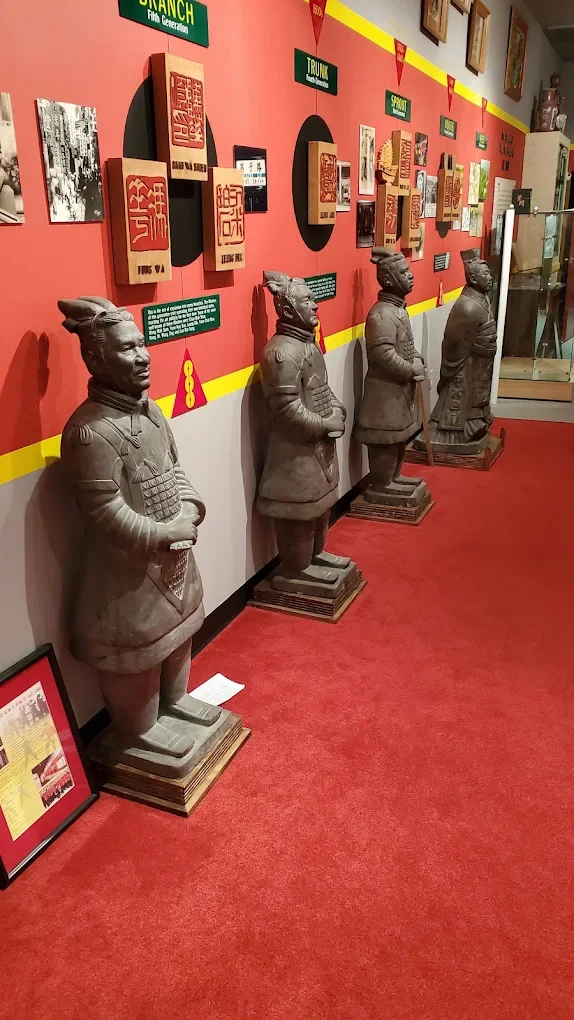
Founding of Shaolin Wing Chun
From formative training and a museum mandate to research, founding, and temple recognition—the path that built Shaolin Wing Chun.
Chapter I
Formative Path
1970 — 1992Grand Master Benny Meng, a 73rd-generation descendant of Mencius, builds a multi-system foundation—then commits fully to Wing Chun’s living lineages.
 1970s
1970s
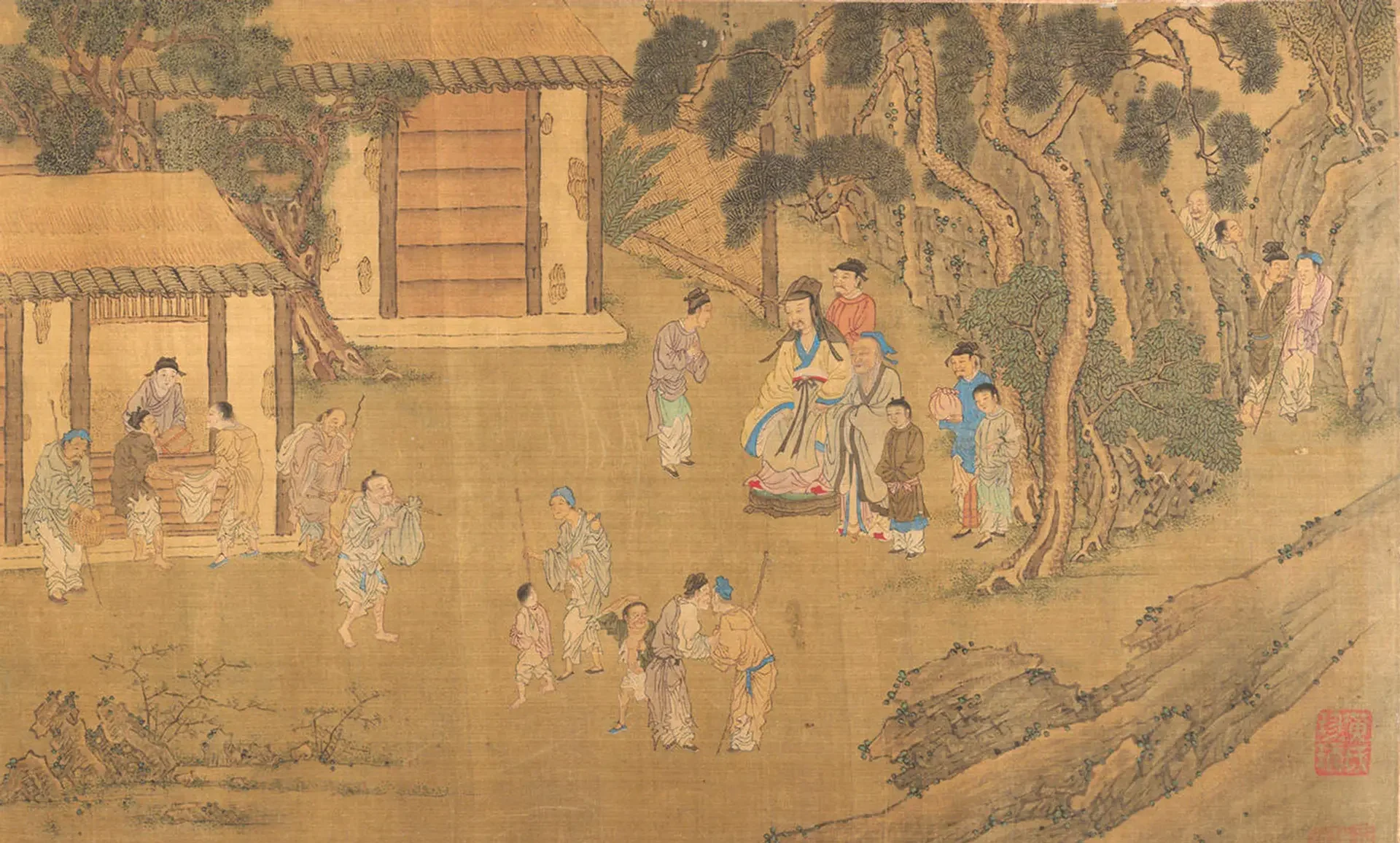
Scholar of Combat
Training from age ten across East and West, Meng sought reality where it is most unforgiving: human combat.
1970s
Scholar of Combat
Training from age ten across East and West, Meng sought reality where it is most unforgiving: human combat.
 1982–1995
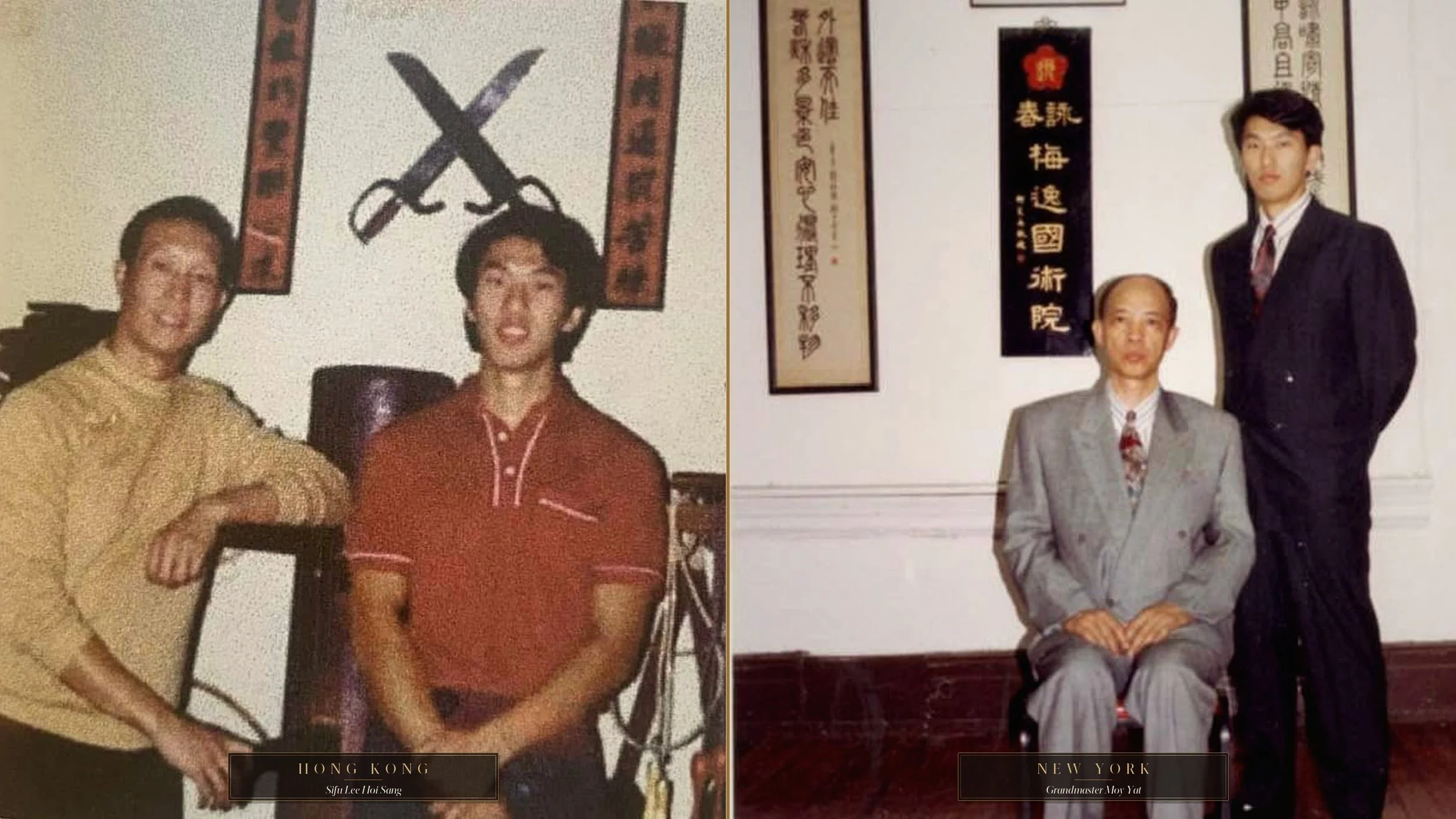
Hong Kong & New York Masters
Formal Wing Chun under Lee Hoi Sang, closed-door study with Moy Yat, and advanced work with Ip Ching.
1982–1995
Hong Kong & New York Masters
Formal Wing Chun under Lee Hoi Sang, closed-door study with Moy Yat, and advanced work with Ip Ching.
 1986–1992
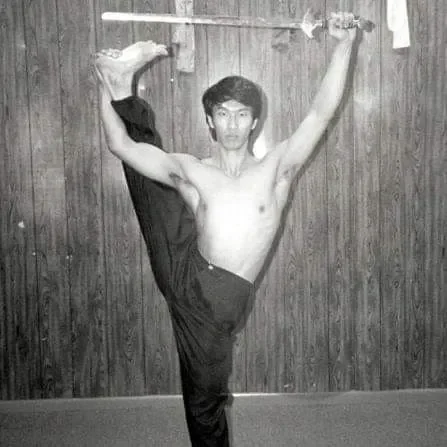
Teaching Begins
Meng opened formal teaching in 1986; school and family partnership laid the ground for the museum era.
1986–1992
Teaching Begins
Meng opened formal teaching in 1986; school and family partnership laid the ground for the museum era.
Chapter II
The Museum Mandate
1992 — 1993On the eve of marriage, Moy Yat charged Meng with a lifelong mission: build a living museum of the art—not of a single teacher.
 1992
1992
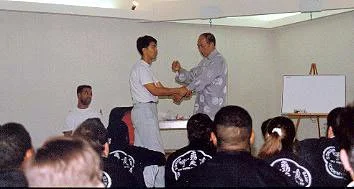
The Wedding Eve Charter
The morning of Meng’s wedding day, Moy Yat visited the school and formalized a sacred charge: create a Ving Tsun museum.
1992
The Wedding Eve Charter
The morning of Meng’s wedding day, Moy Yat visited the school and formalized a sacred charge: create a Ving Tsun museum.
 1993
1993
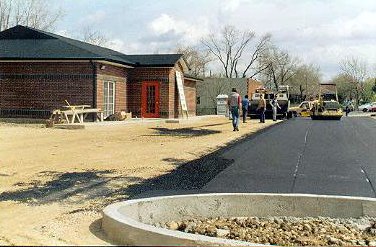
Ving Tsun Museum Founded
In Dayton, Ohio, the world’s first Ving Tsun Museum opened as a nonprofit platform for research, fellowship, and lineage study.
1993
Ving Tsun Museum Founded
In Dayton, Ohio, the world’s first Ving Tsun Museum opened as a nonprofit platform for research, fellowship, and lineage study.
 1993–94
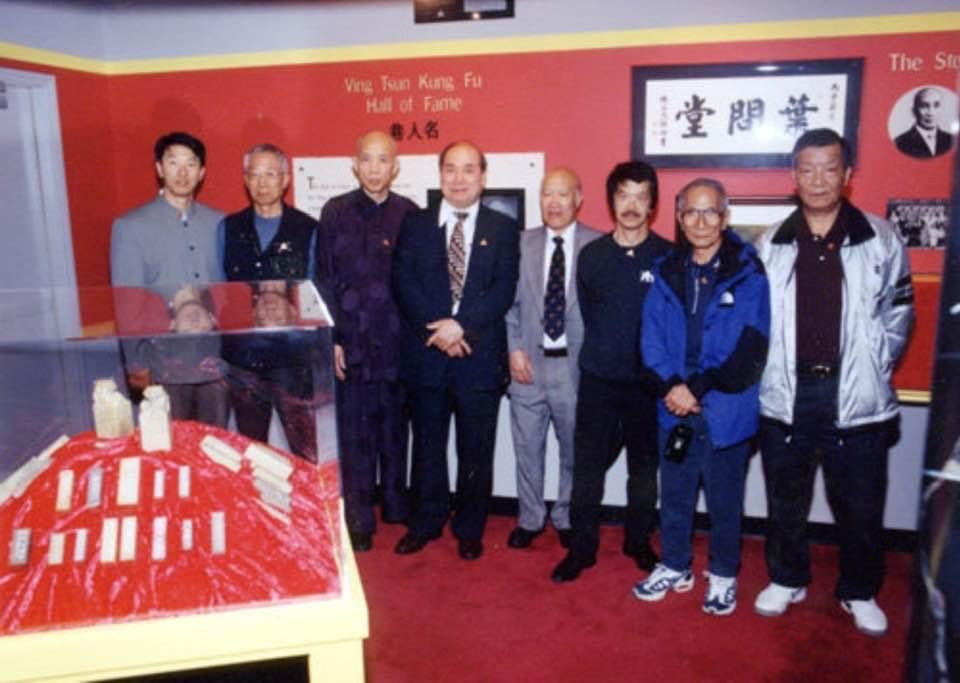
Opening Gathering & School Recognition
Senior masters of the Ip Man world attended the museum’s founding circle; Meng’s school earned Top 200 in North America.
1993–94
Opening Gathering & School Recognition
Senior masters of the Ip Man world attended the museum’s founding circle; Meng’s school earned Top 200 in North America.
Chapter III
The Research Era
1993 — 2015Three decades of field work—millions of miles, dozens of grandmasters, and the recovery of secret-society lineages.
 1993–1998+
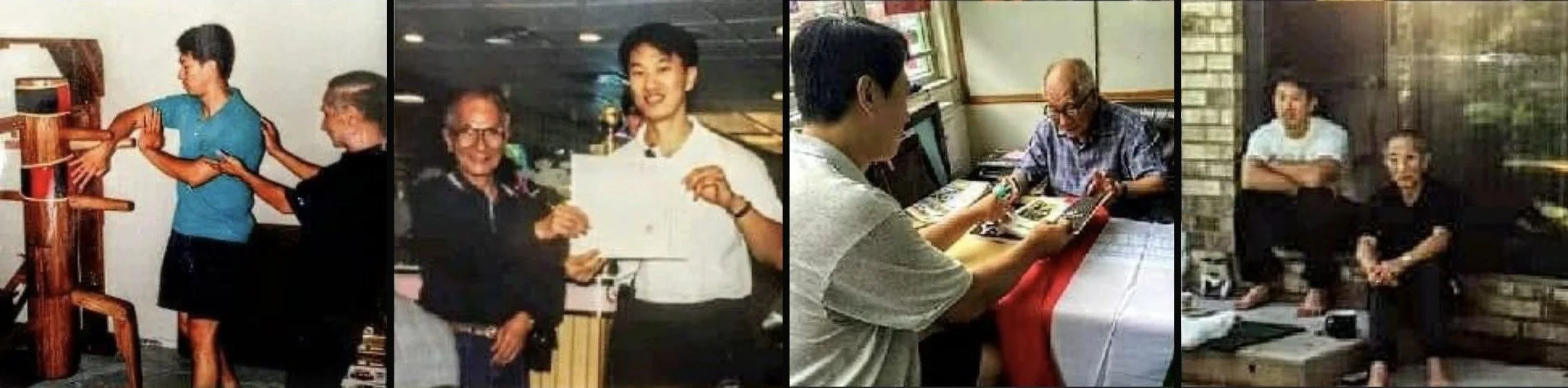
Phase One: Documenting the Families
Direct training and dialogue with senior Ip Man lineage holders—then expansion into earlier and parallel systems.
1993–1998+
Phase One: Documenting the Families
Direct training and dialogue with senior Ip Man lineage holders—then expansion into earlier and parallel systems.
 Field
Field
Red Flag & Black Flag Recovered
Two previously hidden secret-society systems emerged as the earliest complete expressions of Southern Shaolin combat science.
Field
Red Flag & Black Flag Recovered
Two previously hidden secret-society systems emerged as the earliest complete expressions of Southern Shaolin combat science.
III
Archival plate
Phase Two
Synthesis, Foshan & Shaolin Links
Documentation became reconstruction—collaborating with Fatshan institutions and lecturing at Southern Shaolin.
Synthesis, Foshan & Shaolin Links
Documentation became reconstruction—collaborating with Fatshan institutions and lecturing at Southern Shaolin.
Chapter IV
Birth of Shaolin Wing Chun
2015 — 2016Research focus shifts to rebirth: a coherent reconstruction of the earliest form—Shaolin Wing Chun—enters the world.
 2015
2015
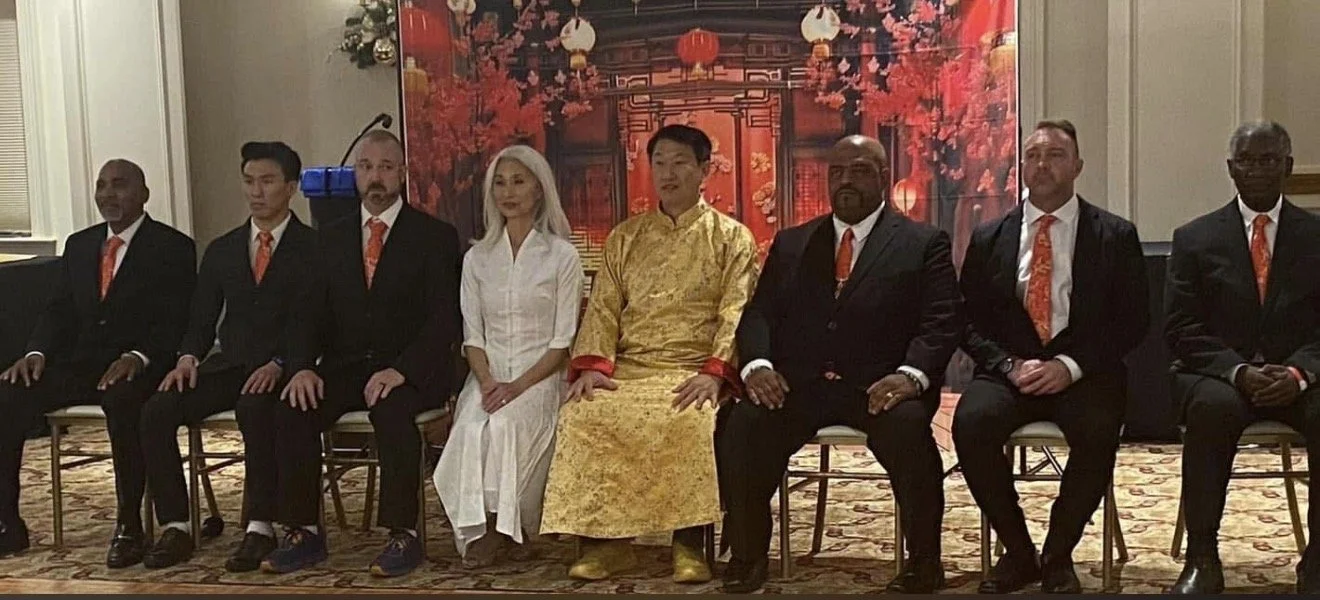
From Research to Rebirth
After 1993–2015 lineage research, Meng turned to standardizing and teaching the recovered science as a living system.
2015
From Research to Rebirth
After 1993–2015 lineage research, Meng turned to standardizing and teaching the recovered science as a living system.
 2016
2016
The Founding of Shaolin Wing Chun
SWC is established as a distinct entity—reuniting Red Flag efficiency with Black Flag preservation under one documented path.
2016
The Founding of Shaolin Wing Chun
SWC is established as a distinct entity—reuniting Red Flag efficiency with Black Flag preservation under one documented path.
IV
Archival plate
Method
Shaolin Halls Method
A developmental architecture—from foundation through maximum efficiency—becomes the curriculum spine of SWC.
Shaolin Halls Method
A developmental architecture—from foundation through maximum efficiency—becomes the curriculum spine of SWC.
Chapter V
Dragon & Tiger Tracks
2015 — PresentPreservation and implementation run in parallel—understanding the Dragon, expressing the Tiger.
 Dragon
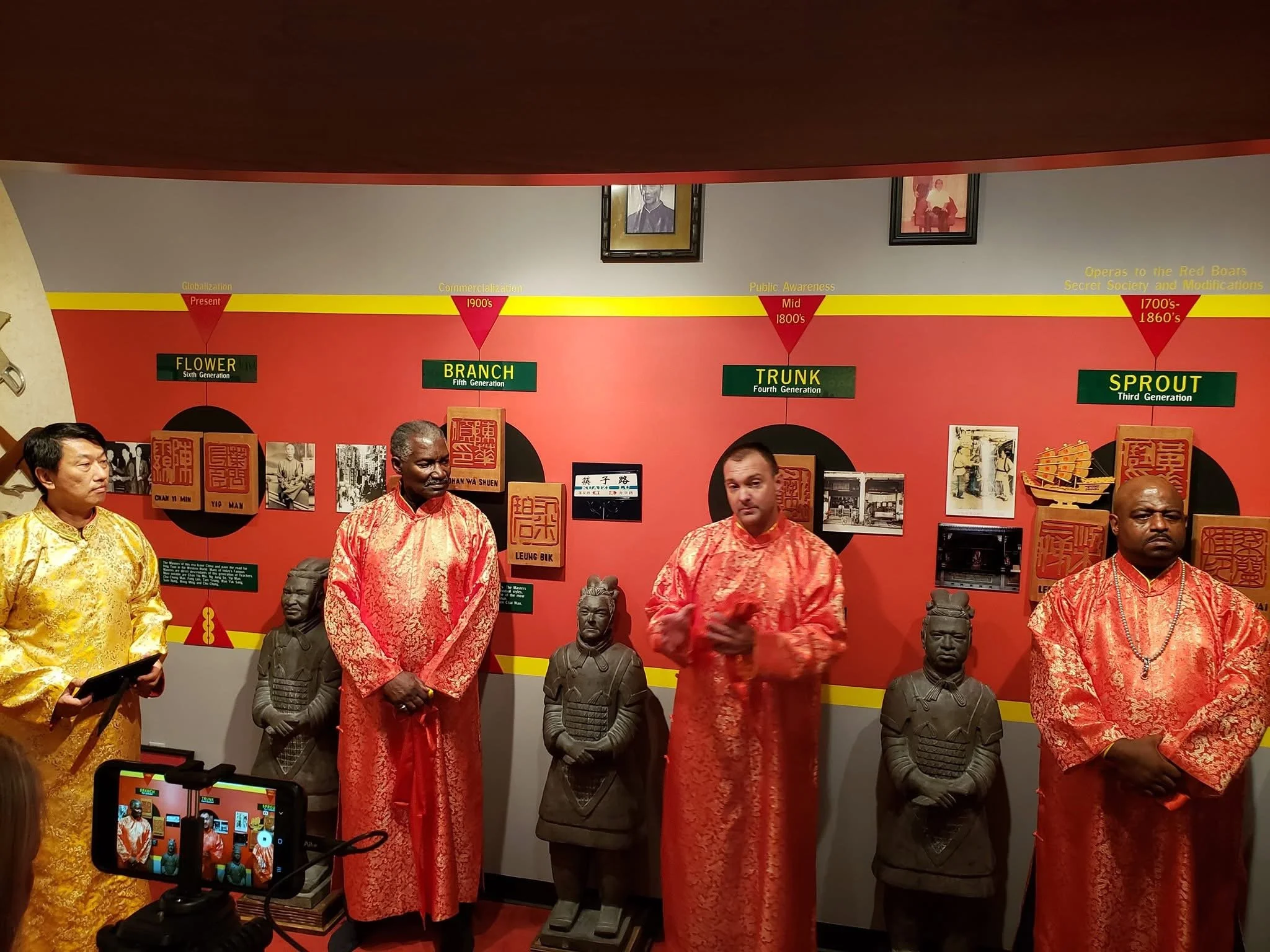
Dragon Track — Preservation
Curriculum, teaching method, and instructor certification so history, philosophy, and science survive the next centuries.
Dragon
Dragon Track — Preservation
Curriculum, teaching method, and instructor certification so history, philosophy, and science survive the next centuries.
 Tiger
Tiger
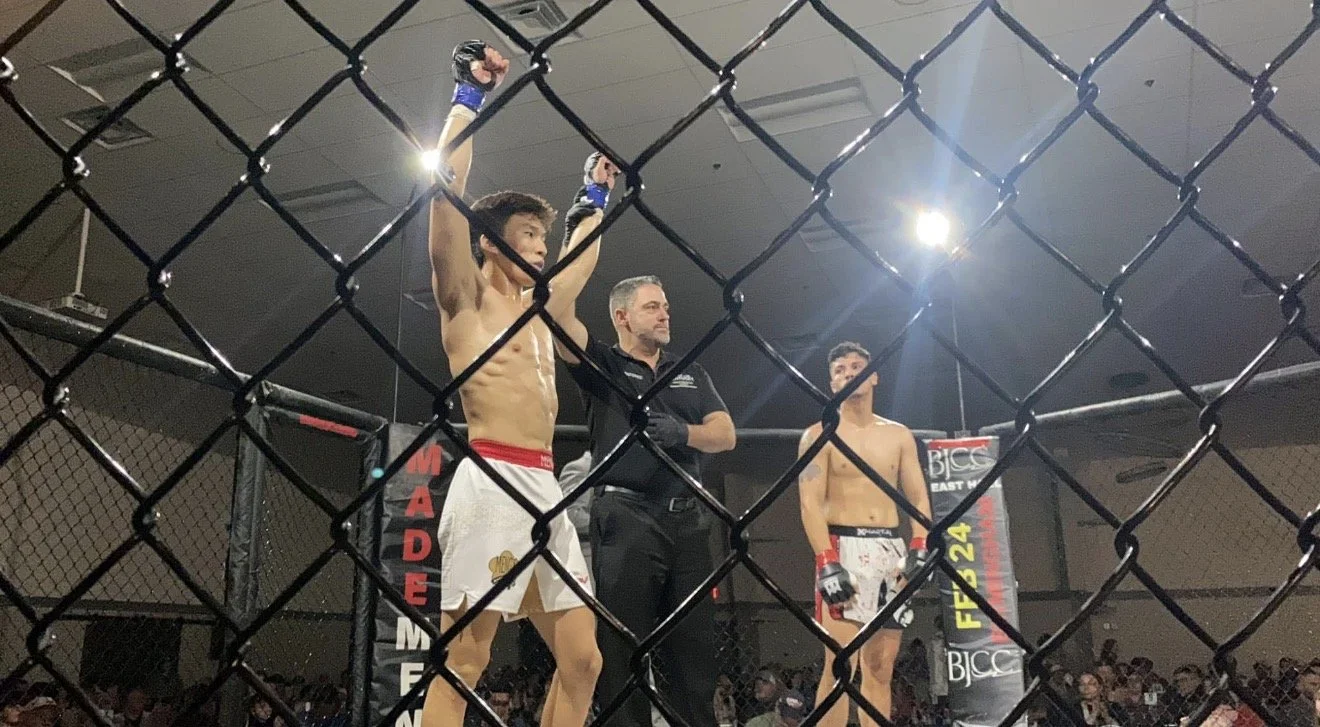
Tiger Track — Implementation
Full-contact expression through Sanda, MMA-ready preparation, and high-level competition testing.
Tiger
Tiger Track — Implementation
Full-contact expression through Sanda, MMA-ready preparation, and high-level competition testing.
 Family
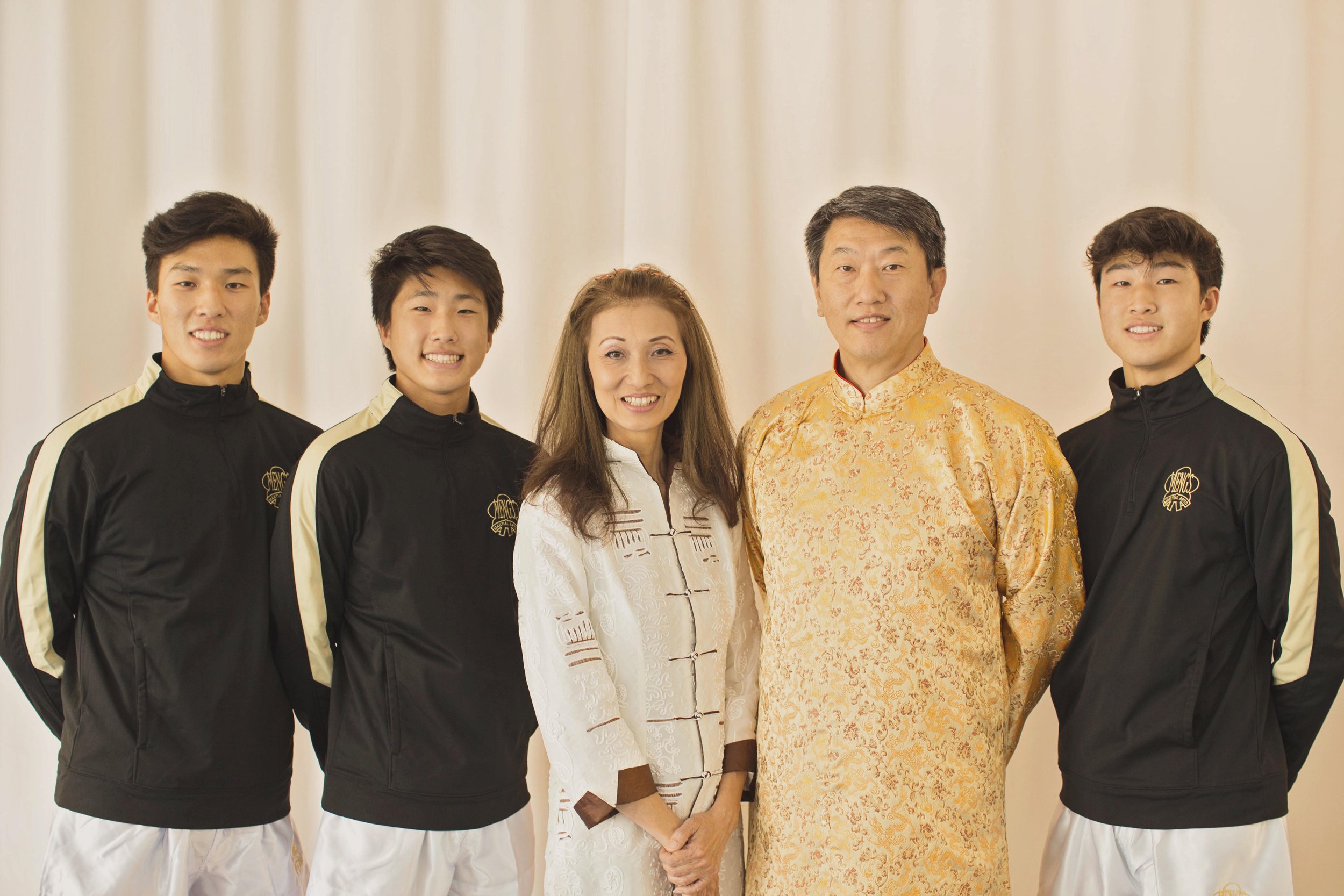
The Meng Family as Living Institution
Administration, competition, and teaching across generations—an institutional lineage, not only a surname.
Family
The Meng Family as Living Institution
Administration, competition, and teaching across generations—an institutional lineage, not only a surname.
Chapter VI
Recognition & World Stage
2014 — PresentTemple certification, dual Shaolin lineage recognition, high rank, and Wing Chun’s return to Southern Shaolin soil.
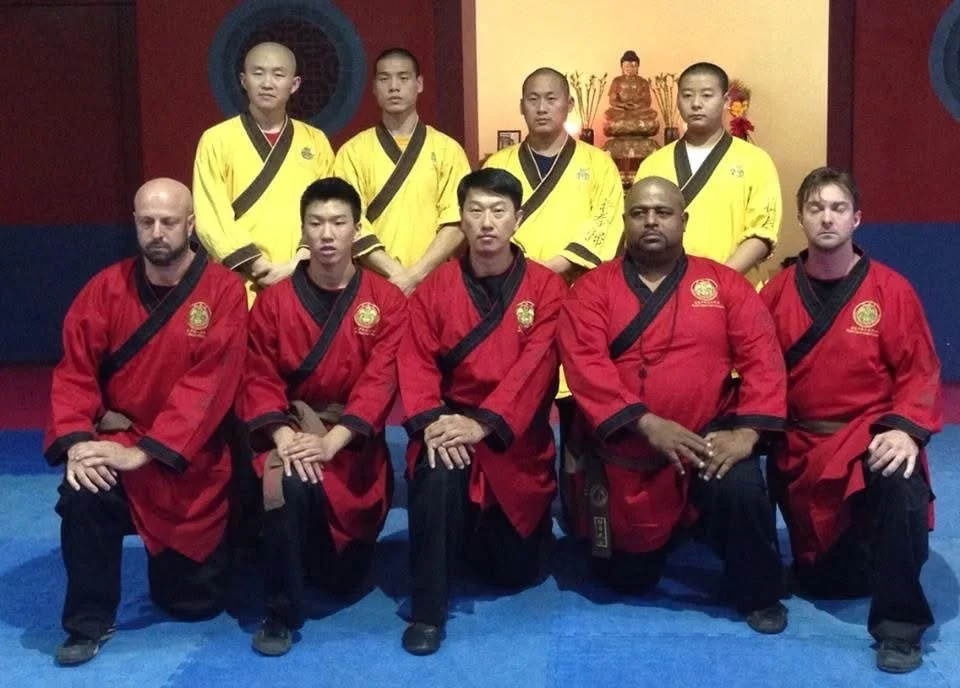 2014
2014
Shaolin Certification
Among the first non-monks certified as an instructor in the warrior-monk curriculum—closing a personal circle to temple roots.
2014
Shaolin Certification
Among the first non-monks certified as an instructor in the warrior-monk curriculum—closing a personal circle to temple roots.
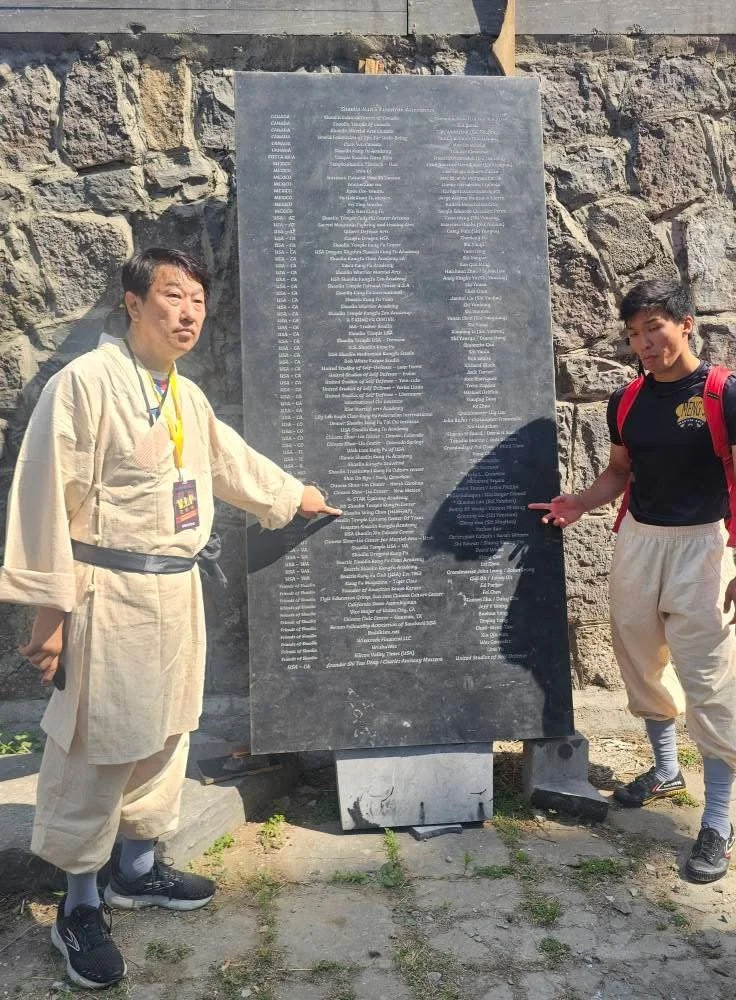 2023–2025
Shaolin Recognition
Southern and Northern Shaolin Temples recognize SWC as a distinct lineage—acknowledgment on the soil of the art’s source.
2023–2025
Shaolin Recognition
Southern and Northern Shaolin Temples recognize SWC as a distinct lineage—acknowledgment on the soil of the art’s source.
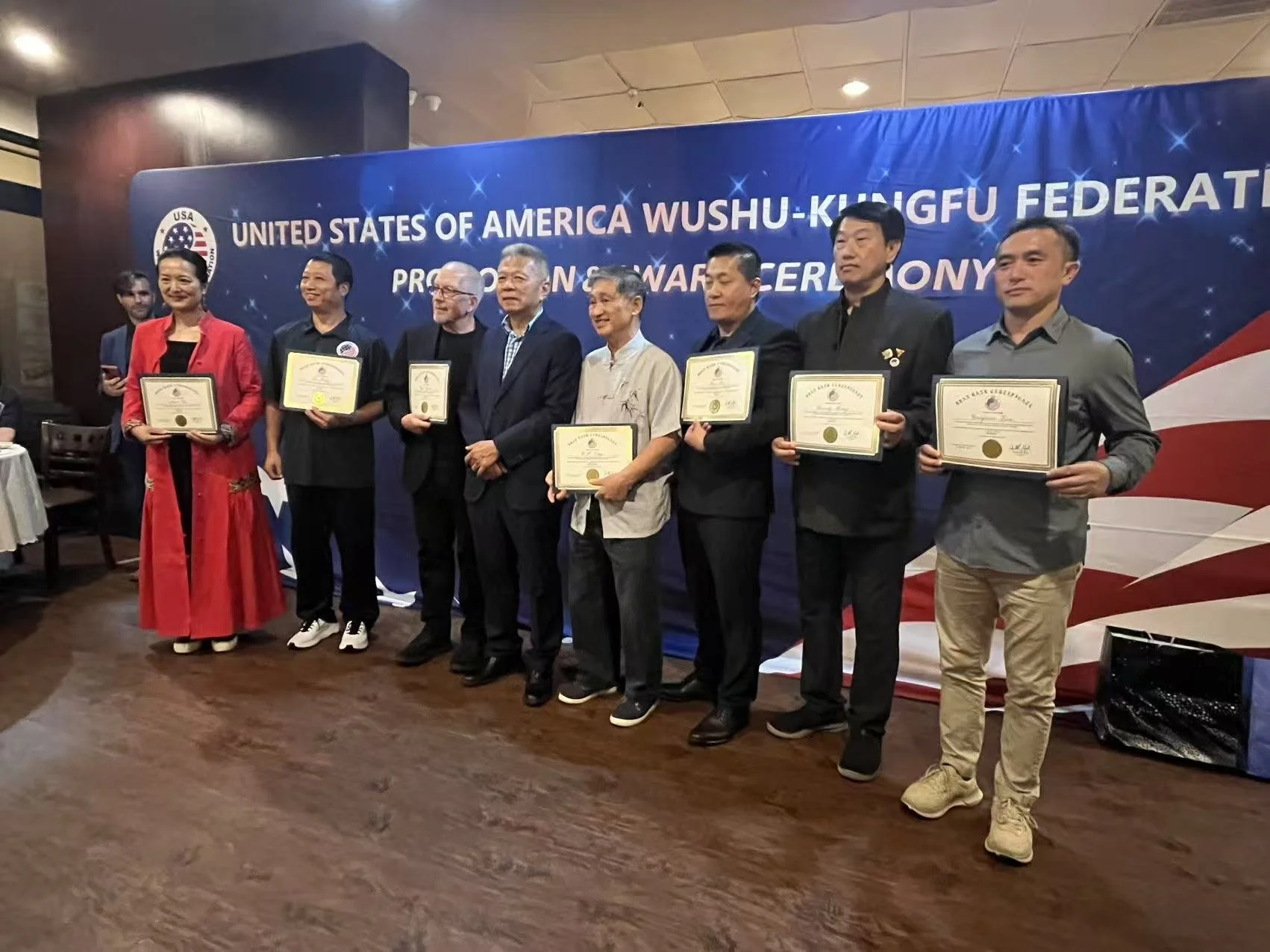 2019–2025
Rank & Institutional Recognition
SWC recognized as a distinct lineage by Northern and Southern Shaolin Temples and the International Wushu Federation.
2019–2025
Rank & Institutional Recognition
SWC recognized as a distinct lineage by Northern and Southern Shaolin Temples and the International Wushu Federation.
 2024
2024
World Championships at Southern Shaolin
Inaugural World Southern Shaolin Wing Chun Finals in Fuqing—Wing Chun competing on verified temple ground.
2024
World Championships at Southern Shaolin
Inaugural World Southern Shaolin Wing Chun Finals in Fuqing—Wing Chun competing on verified temple ground.