
Wing Chun History & Lineage
From the Shaolin halls to secret societies, the Red Boat, and a global art—fifteen centuries of Wing Chun’s evolution.
Chapter I
Shaolin Era
520 — 1644Northern temple roots, Chan Buddhism, and the long martial heritage that later armed Southern resistance.
 c. 495–520
Northern Roots
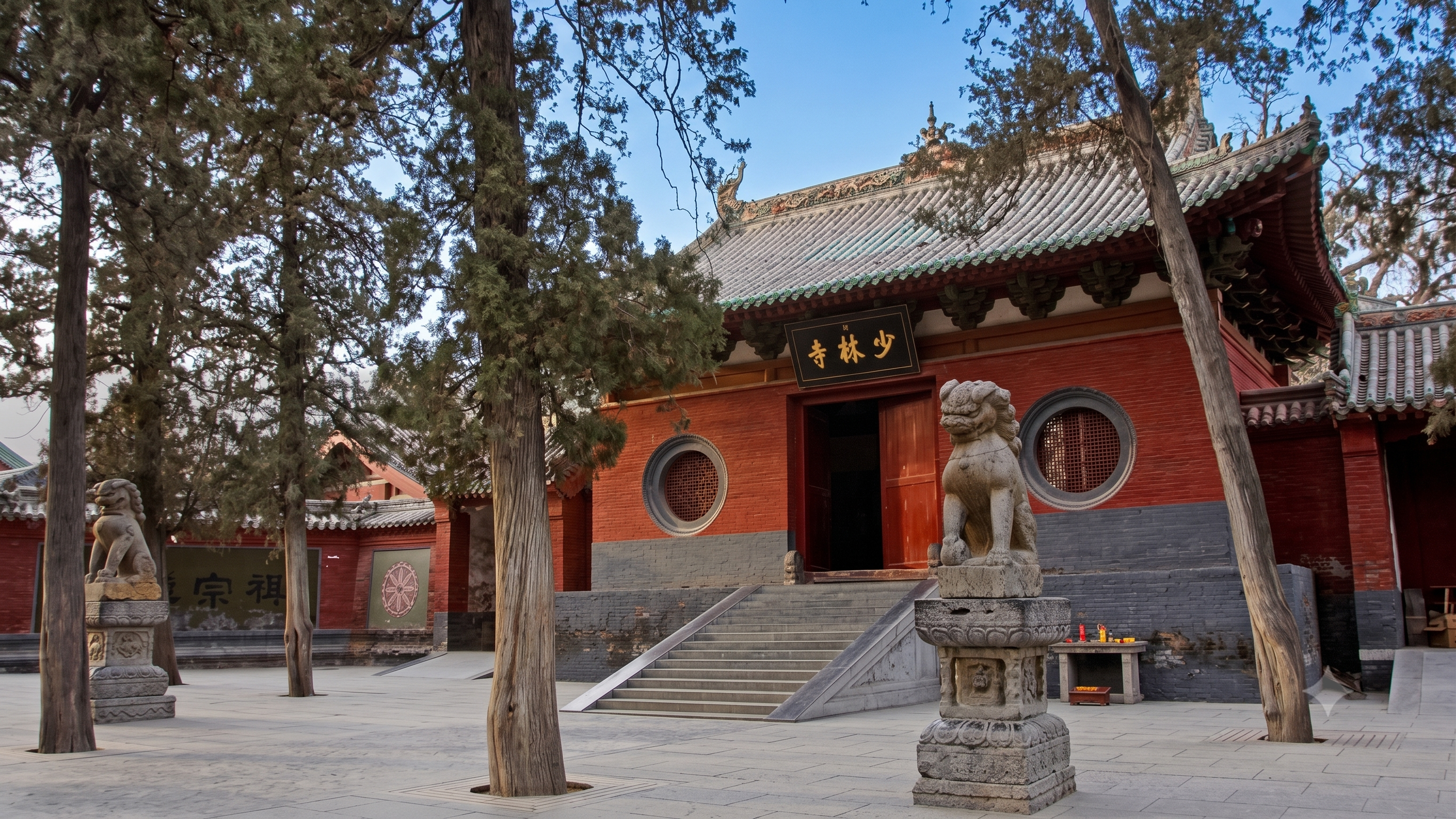
Songshan Shaolin rose as a center of martial and spiritual practice, shaped by Daoist, Confucian, and early Buddhist thought.
c. 495–520
Northern Roots
Songshan Shaolin rose as a center of martial and spiritual practice, shaped by Daoist, Confucian, and early Buddhist thought.
 527 — Tang
Chan Development
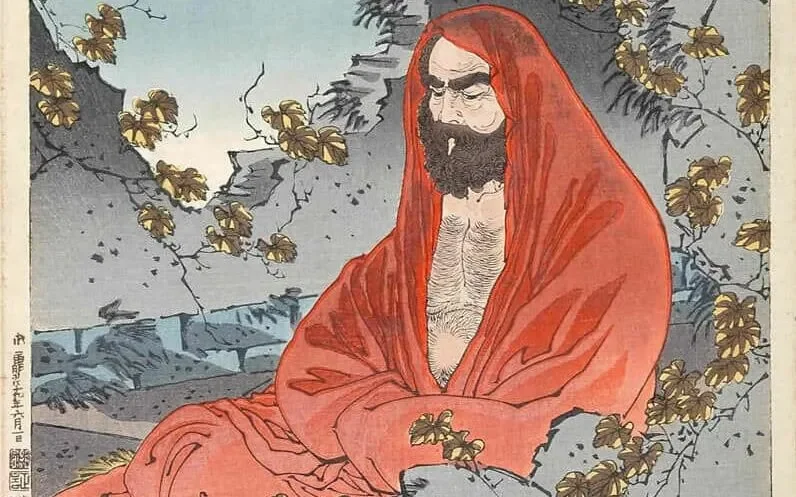
Bodhidharma’s Chan (Zen) took root at Shaolin; Southern Shaolin later carried that legacy into Fujian.
527 — Tang
Chan Development
Bodhidharma’s Chan (Zen) took root at Shaolin; Southern Shaolin later carried that legacy into Fujian.
 1644
1644
Manchurian Invasion
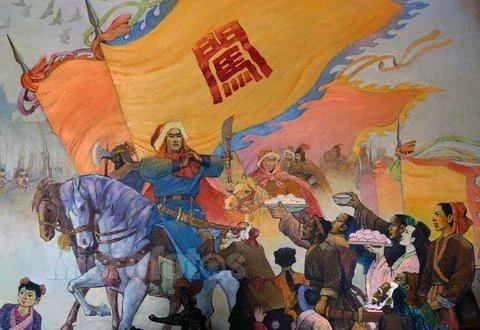
The fall of Ming Beijing sent loyalists, officers, and warrior monks south—setting the stage for Wing Chun’s birth.
1644
Manchurian Invasion
The fall of Ming Beijing sent loyalists, officers, and warrior monks south—setting the stage for Wing Chun’s birth.
Chapter II
Secret Society
1644 — 1700At Southern Shaolin, secret societies and warrior monks forged a combat science for revolution—and sealed it under oath.
 1646
1646
Hung Fa Wui & Hung Fa Ting
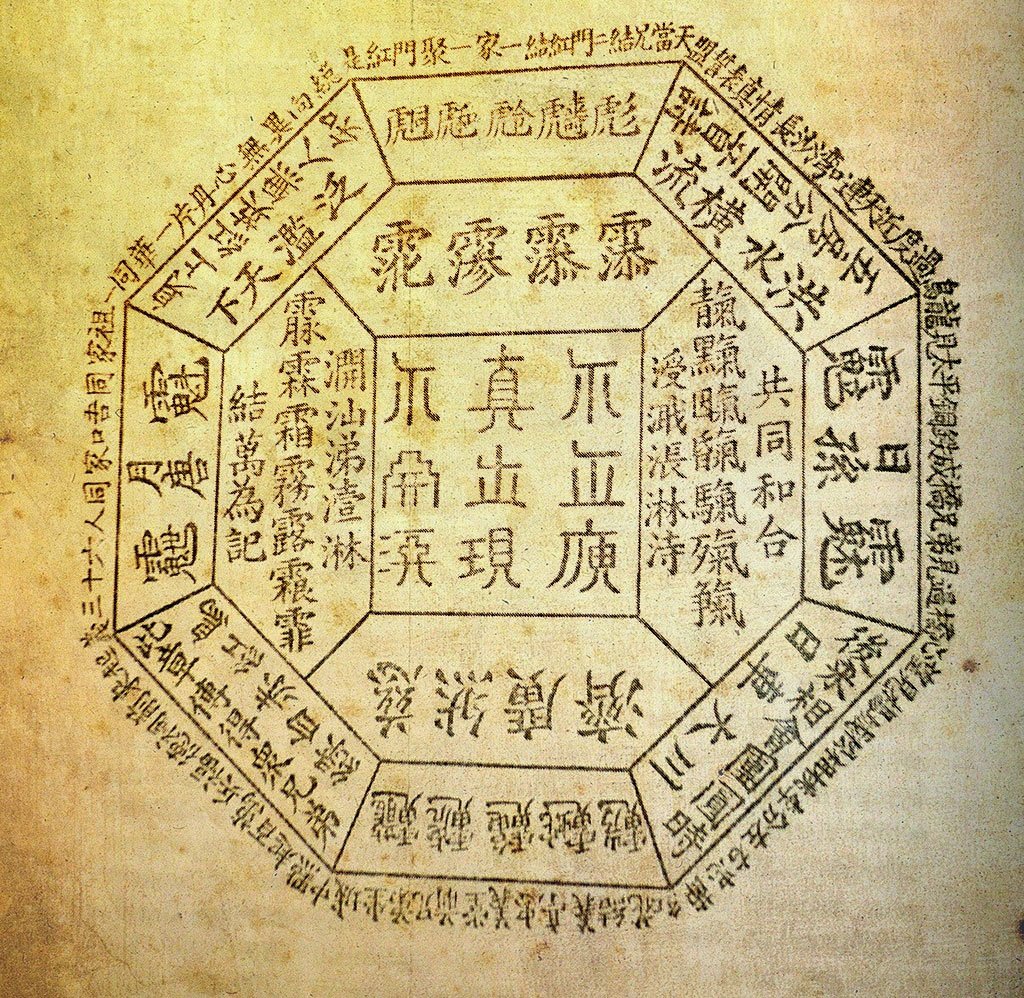
The Red Flower Society formed at the Red Flower Pavilion to coordinate anti-Qing resistance—“Overthrow Qing, Restore Ming.”
1646
Hung Fa Wui & Hung Fa Ting
The Red Flower Society formed at the Red Flower Pavilion to coordinate anti-Qing resistance—“Overthrow Qing, Restore Ming.”
 Mid–late 1600s
Wing Chun Tong & Chi Sim
The anti-Qing resistance became increasingly militarized. Wing Chun developed as a combat science that fighters used to wage an insurgency. A practical version was taught to lower-level operatives and later became known as Chi Sim Weng Chun. High-level system knowledge—including the formula for maximum-efficiency & energy generation—was preserved by special groups within the organization: Red Flag and Black Flag.
Mid–late 1600s
Wing Chun Tong & Chi Sim
The anti-Qing resistance became increasingly militarized. Wing Chun developed as a combat science that fighters used to wage an insurgency. A practical version was taught to lower-level operatives and later became known as Chi Sim Weng Chun. High-level system knowledge—including the formula for maximum-efficiency & energy generation—was preserved by special groups within the organization: Red Flag and Black Flag.
 Late 1600s
Temple Fall & Dispersal
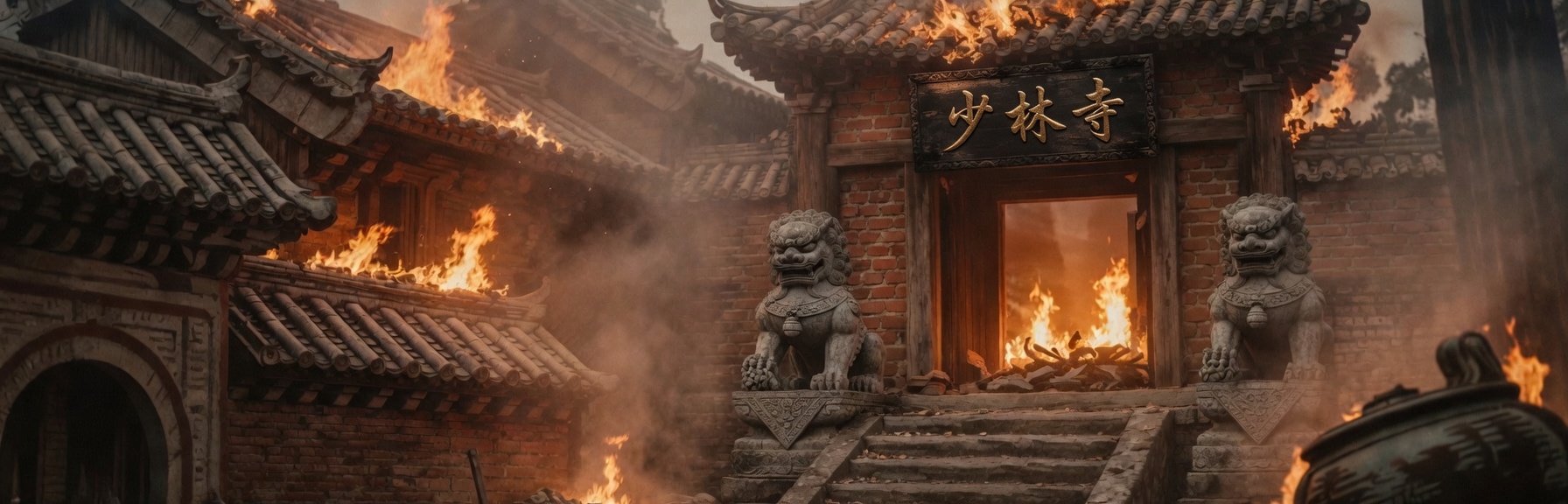
Qing forces destroyed Southern Shaolin. Survivors scattered, carrying the art into underground networks.
Late 1600s
Temple Fall & Dispersal
Qing forces destroyed Southern Shaolin. Survivors scattered, carrying the art into underground networks.
Chapter III
Canton Opera
1700 — 1800Cheung Ng (Tan Sau Ng) founded Canton Opera. Its guilds became the public face of resistance—stagecraft as cover for martial transmission.
 c. 1720s
Cheung Ng & the Guild
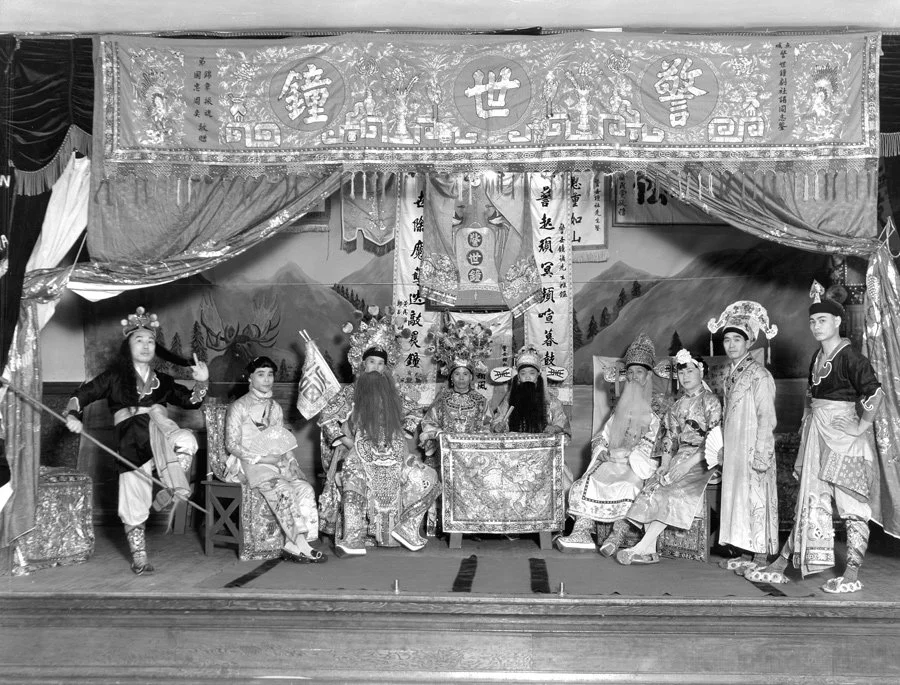
Cheung Ng (Tan Sau Ng), founder of Canton Opera, established the King Fa Wui Gun in Foshan—an opera association masking the Red Flower network.
c. 1720s
Cheung Ng & the Guild
Cheung Ng (Tan Sau Ng), founder of Canton Opera, established the King Fa Wui Gun in Foshan—an opera association masking the Red Flower network.
 1700s
1700s
Stage & Science
Signature techniques like Taan Sau lived both on stage and in combat training—art and resistance intertwined.
1700s
Stage & Science
Signature techniques like Taan Sau lived both on stage and in combat training—art and resistance intertwined.
Chapter IV
Red Boat Opera
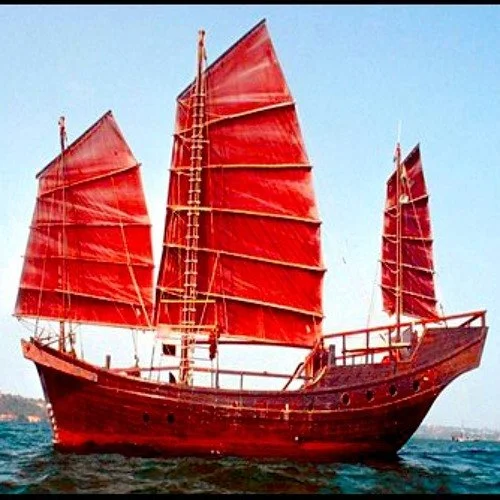
1800 — 1855Traveling junks—Heaven, Man, and Earth—carried the art along southern rivers until the 1855 crackdown.
 c. 1800–1850
The Red Boat as Conduit
Red Boat troupes trained on deck and drilled Wing Chun in private—mobile networks, not the cradle of the art.
c. 1800–1850
The Red Boat as Conduit
Red Boat troupes trained on deck and drilled Wing Chun in private—mobile networks, not the cradle of the art.
 1850–1855
Uprising & the End of the Opera Era
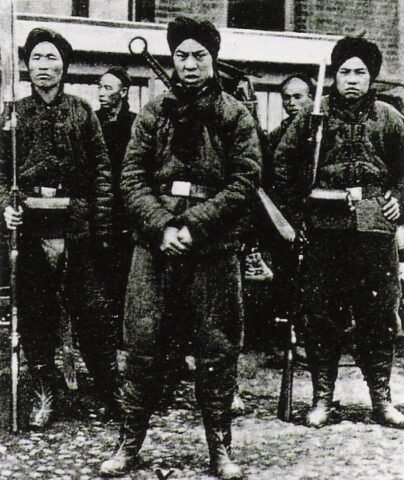
Rebellion, red bandannas, and Qing retaliation burned the guild and scattered the troupes.
1850–1855
Uprising & the End of the Opera Era
Rebellion, red bandannas, and Qing retaliation burned the guild and scattered the troupes.
Chapter V
Canton / Gwongdong
1855 — 1950sPublic awareness grew in Foshan and the Pearl River Delta. Civilian teachers reshaped the art for a new century.
 1860s–1900s
Public Awareness Era
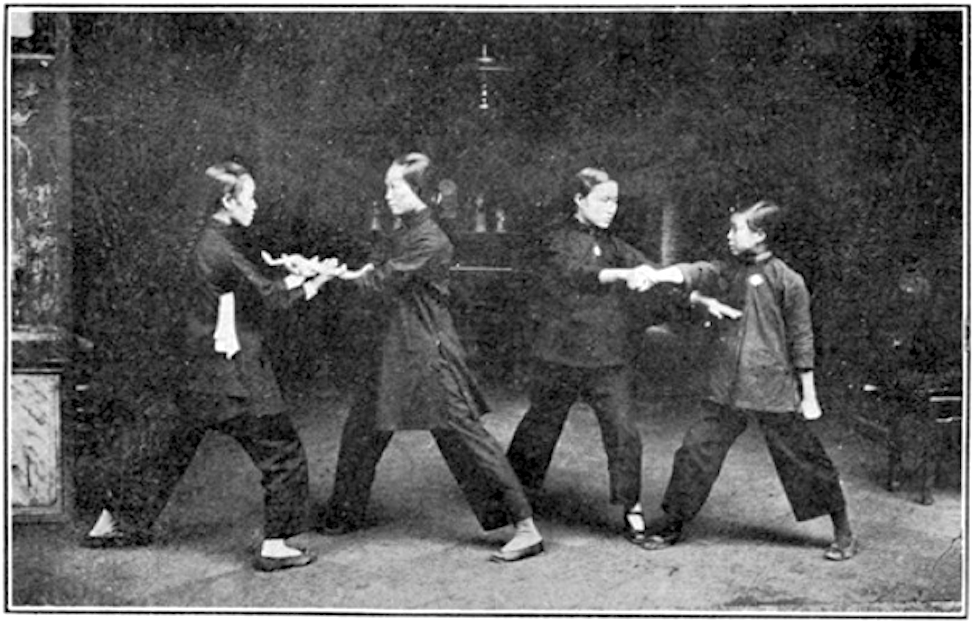
With opera cover gone, Wing Chun adapted in civilian hands—fragmented, local, and increasingly open.
1860s–1900s
Public Awareness Era
With opera cover gone, Wing Chun adapted in civilian hands—fragmented, local, and increasingly open.
 Late 1800s–early 1900s
Commercial & Civic Lineages
Chan Wah Shun was among the first to teach for a fee; Ip Man later trained in Foshan before the wars reshaped China.
Late 1800s–early 1900s
Commercial & Civic Lineages
Chan Wah Shun was among the first to teach for a fee; Ip Man later trained in Foshan before the wars reshaped China.
 1911–1949
Revolution, Warlords & War
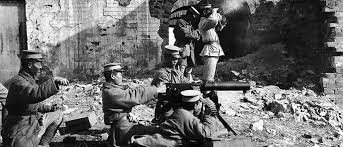
Republic, warlords, and Japanese occupation disrupted training. Black Flag leadership fled to Indonesia, preserving elements of the original system as Hek Ki Boen.
1911–1949
Revolution, Warlords & War
Republic, warlords, and Japanese occupation disrupted training. Black Flag leadership fled to Indonesia, preserving elements of the original system as Hek Ki Boen.
Chapter VI
Hong Kong
1950s — 1990Exile opened the door. Public schools, cinema, and rival lineages made Wing Chun a Hong Kong institution.
 1949–1950s
Flight & the Public School
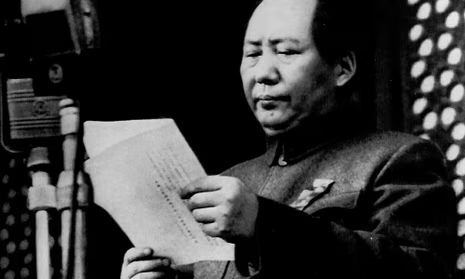
After Mao Zedong proclaimed the People’s Republic of China on 1 October 1949, a crackdown on remaining Nationalists and political opponents drove masters—including Ip Man—into Hong Kong, where open teaching took root.
1949–1950s
Flight & the Public School
After Mao Zedong proclaimed the People’s Republic of China on 1 October 1949, a crackdown on remaining Nationalists and political opponents drove masters—including Ip Man—into Hong Kong, where open teaching took root.
 1950s–1970s
Students & the Global Spark
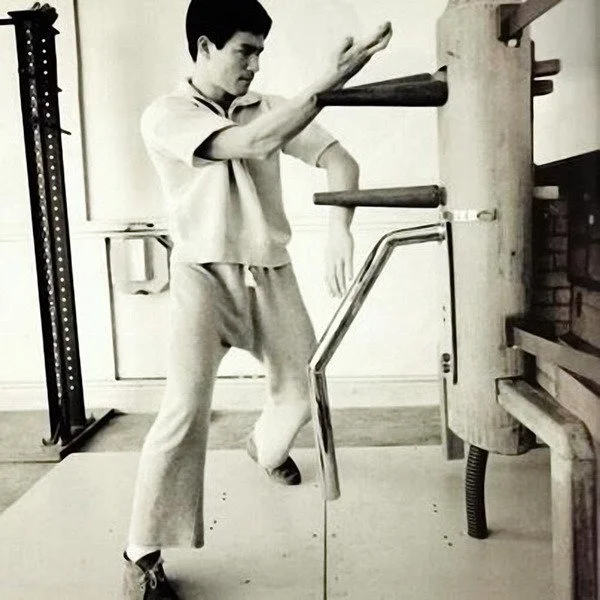
A generation of Hong Kong teachers refined and spread the art; Bruce Lee carried its image worldwide.
1950s–1970s
Students & the Global Spark
A generation of Hong Kong teachers refined and spread the art; Bruce Lee carried its image worldwide.
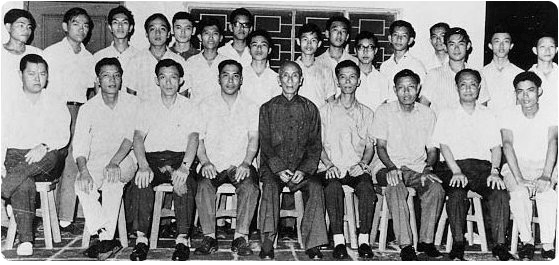 1980s–1990
Cross-Lineage Hong Kong
A new generation trained across systems—preparing the research era that would reconnect Shaolin roots.
1980s–1990
Cross-Lineage Hong Kong
A new generation trained across systems—preparing the research era that would reconnect Shaolin roots.
Chapter VII
International
1990 — PresentResearch, museum work, and temple recognition returned Wing Chun to its Shaolin map—and a global network.
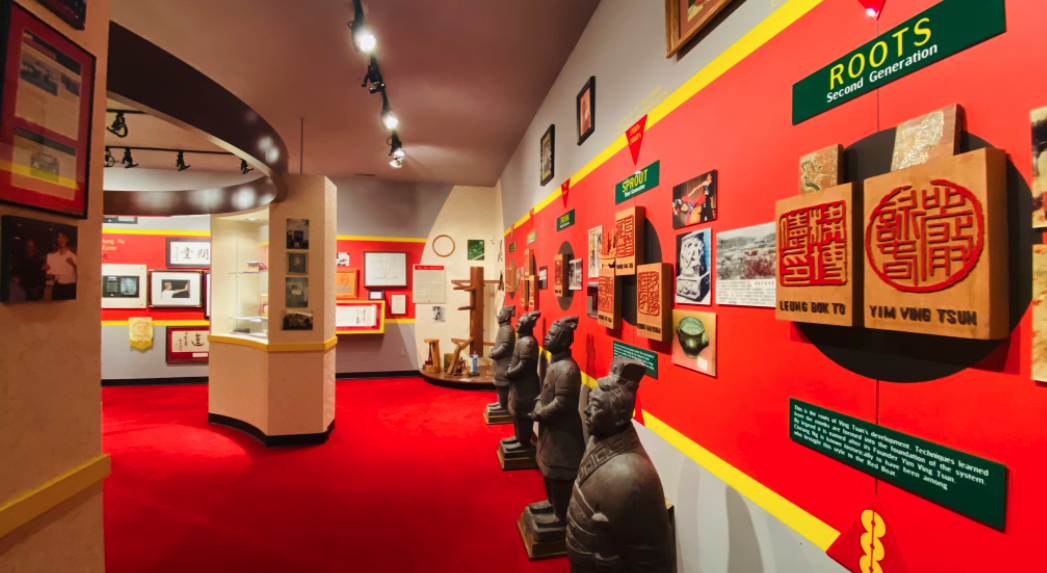 1993—
1993—
Ving Tsun Museum & Research
At Moy Yat’s urging, Grandmaster Benny Meng founded the VTM to study the art—not a single teacher.
1993—
Ving Tsun Museum & Research
At Moy Yat’s urging, Grandmaster Benny Meng founded the VTM to study the art—not a single teacher.
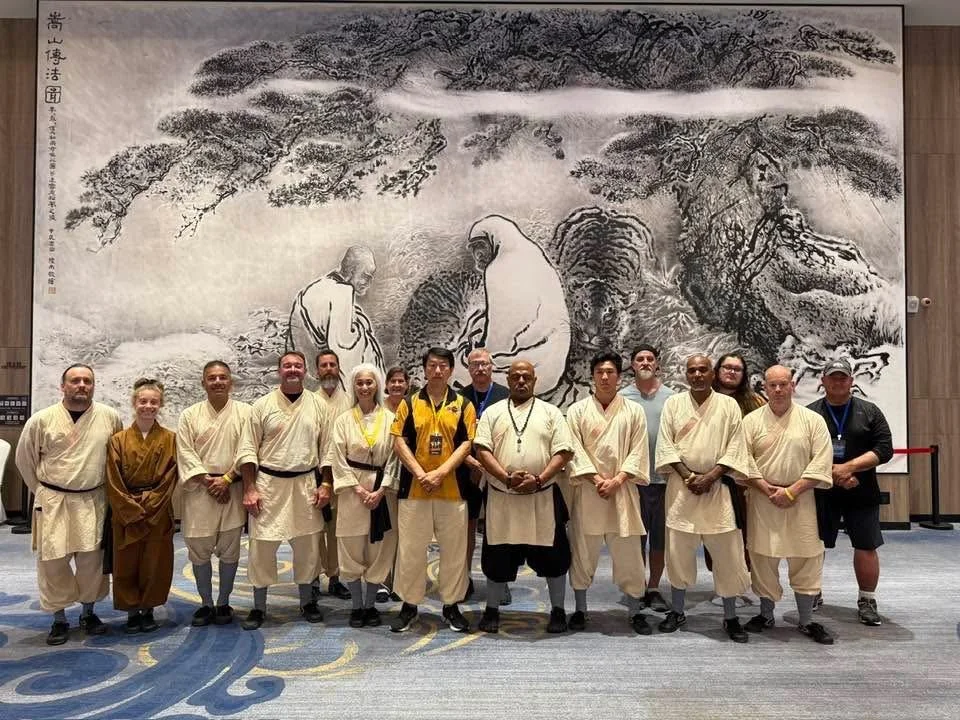 2000s–Present
Shaolin Recognition & Global Network
Northern and Southern Shaolin acknowledgment, international schools, and modern competition mark the living art.
2000s–Present
Shaolin Recognition & Global Network
Northern and Southern Shaolin acknowledgment, international schools, and modern competition mark the living art.